


There’s a particular kind of exhaustion that has nothing to do with sleep. You can rest for eight hours and still wake up feeling like your mind never clocked out — already replaying yesterday’s conversation, already rehearsing tomorrow’s to-do list, already somewhere other than here.
If that sounds familiar, you’re not broken. You’re not “bad at relaxing.” Your mind has simply learned to run at a certain speed, and like anything learned, it can be untrained.
Why Your Mind Feels Like It’s Always “On”
Calm isn’t the natural resting state most of us assume it is — it’s a skill, and like any skill, it atrophies without practice.
Think about how most days actually unfold. Notifications before you’ve opened your eyes. A commute spent half-listening to a podcast while mentally drafting an email. A lunch eaten at your desk while scrolling. By evening, your nervous system hasn’t had a single unbroken stretch of quiet — and then we wonder why it won’t switch off at 11 p.m.
This isn’t a personal failing. It’s a predictable response to an environment that rewards constant stimulation. The good news is that the same principle that got your mind wired this way — repetition — is exactly what can train it back toward calm.
Calm Isn’t the Absence of Thought — It’s a Different Relationship With It
One of the biggest misconceptions about a calm mind is that it means an empty one. It doesn’t. Even people who meditate for decades still have thoughts — plenty of them.
The real shift isn’t fewer thoughts. It’s more space around them.
Imagine sitting by a river. The thoughts are the water rushing past. A busy mind jumps into the current and gets swept along with every single one. A trained mind can sit on the bank, watch the water move, and choose which currents are actually worth following. That’s the skill — not silencing the mind, but changing your relationship to what it produces.
Start With the Body, Not the Mind
Here’s something most advice gets backwards: trying to think your way into calm rarely works, because an anxious mind is often just following an activated nervous system. Calm the body, and the mind tends to follow.
Slow, deliberate breathing is the fastest lever available. A slower exhale than inhale — say, four seconds in, six seconds out — signals directly to your nervous system that you’re safe. It’s not a metaphor; it’s physiology. Try it for even 90 seconds before a stressful meeting or a hard conversation, and notice the difference.
Movement works the same way. A short walk, a few minutes of stretching, even shaking out your hands — these give the stress response somewhere to go instead of running unspent through your thoughts all day.
Build a “Landing Spot” for Your Attention
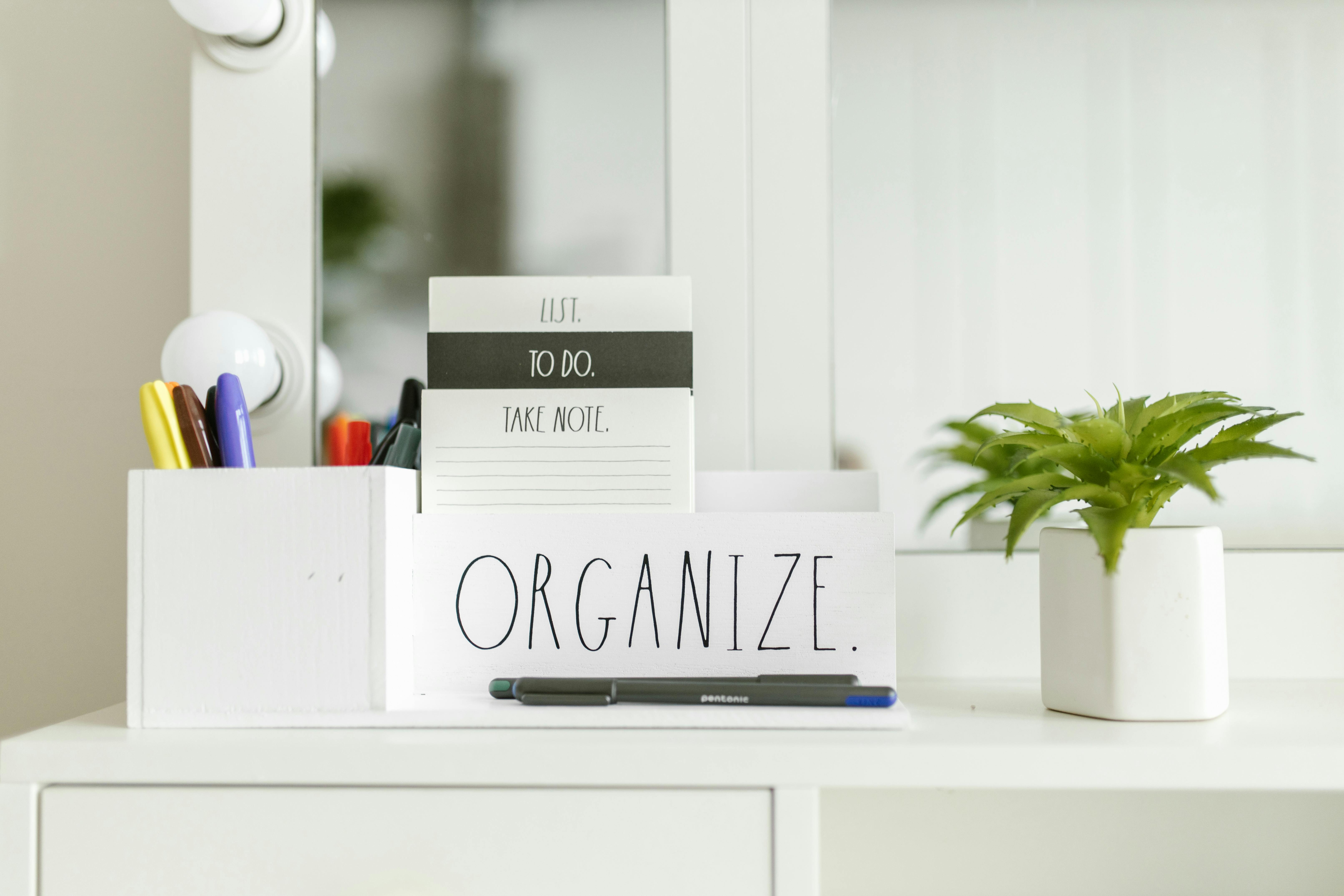
An overactive mind is often just attention with nowhere to rest. Give it somewhere to land, and it settles far more easily than trying to force it to stop.
This is where small, consistent practices matter more than occasional big ones:
A few minutes of quiet in the morning, before the phone comes out, before the day’s noise begins.
One single-tasked activity a day — a walk without headphones, a meal without a screen, a shower without mentally drafting a text.
A short journaling habit, even three lines, to get looping thoughts out of your head and onto paper where they stop circling.
None of these require an hour of your day. They require consistency — the same way a muscle strengthens through repeated, modest effort rather than one exhausting workout.
When the Old Patterns Creep Back
There will be days the calm doesn’t hold. A stressful week, a hard conversation, a sleepless night — and suddenly your mind is racing again like none of the practice ever happened.
This isn’t proof that it’s not working. It’s proof that you’re human. A trained mind isn’t one that never gets activated — it’s one that knows how to come back down faster than it used to. That’s the actual marker of progress: not the absence of stress, but a shorter recovery time.
A calmer mind isn’t something you’re born with or without — it’s something you build, the same patient way you’d build any other skill. Start with the body. Give your attention somewhere steady to land. Expect setbacks, and don’t mistake them for failure.
Pick one practice from this article — the breathing exercise, the screen-free morning minutes, the three-line journal — and try it for the next seven days. Not perfectly. Just consistently. That’s how a racing mind, one small repetition at a time, finds its way back to calm.